Córdoba · Colombia

Where the mangroves meet the drum.

Loud, warm, cheeky and organised. A village on Colombia's Caribbean coast that teases you, feeds you and drums into the night.

We were asleep for a while.

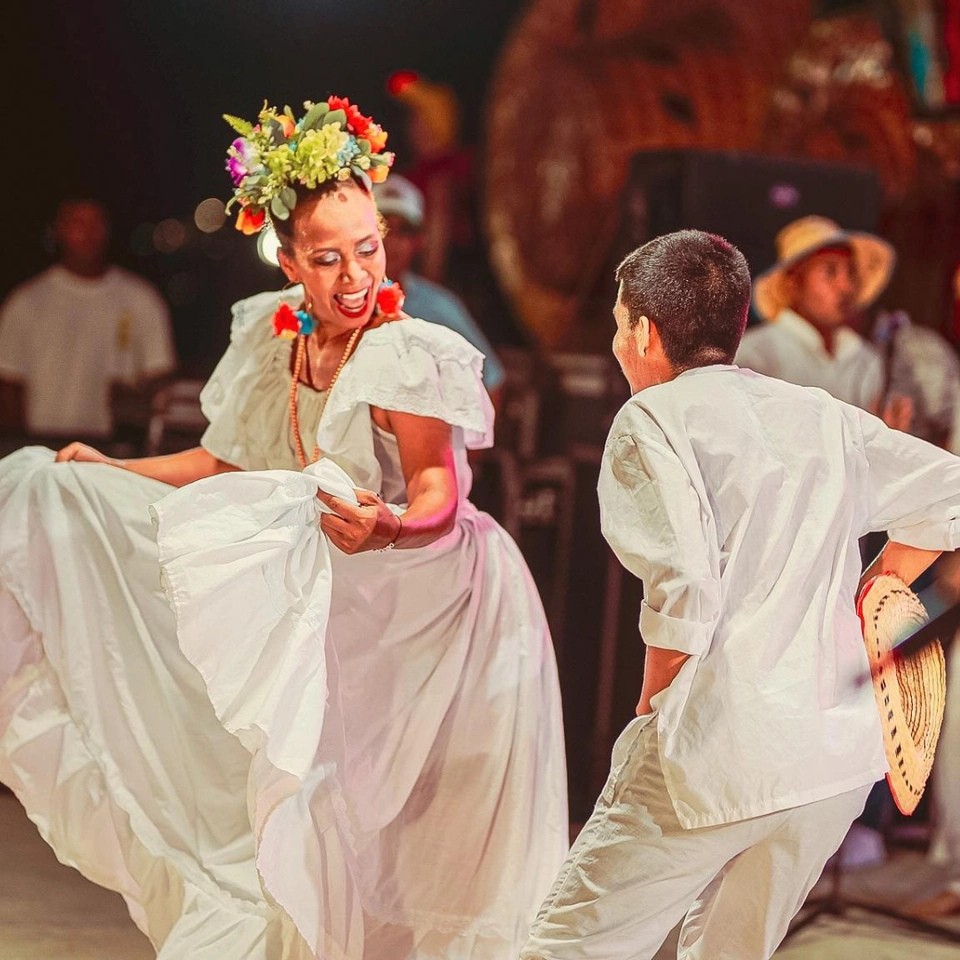
The first night, the whole village stood in a circle. Drums, voices, and the little ones dancing bullerengue in the middle like they were born doing it. Next morning, on Mercedes and Johnny McCoy's patio, the women of the house teased us, fed us and told us our future. We were still laughing at sunrise.

Many people here had left for the cities. The pandemic sent them home, and they saw what was slipping away. So they're bringing it back: the drums, the grandmothers' recipes, the mangroves they replant by hand along the río Yuca. And they're teaching the children, so it doesn't disappear with the elders.

“We were asleep for a while, we won't deny it,” Zamira told us. “But we're active again, with all the attitude.”
The mangroves are their guardians.

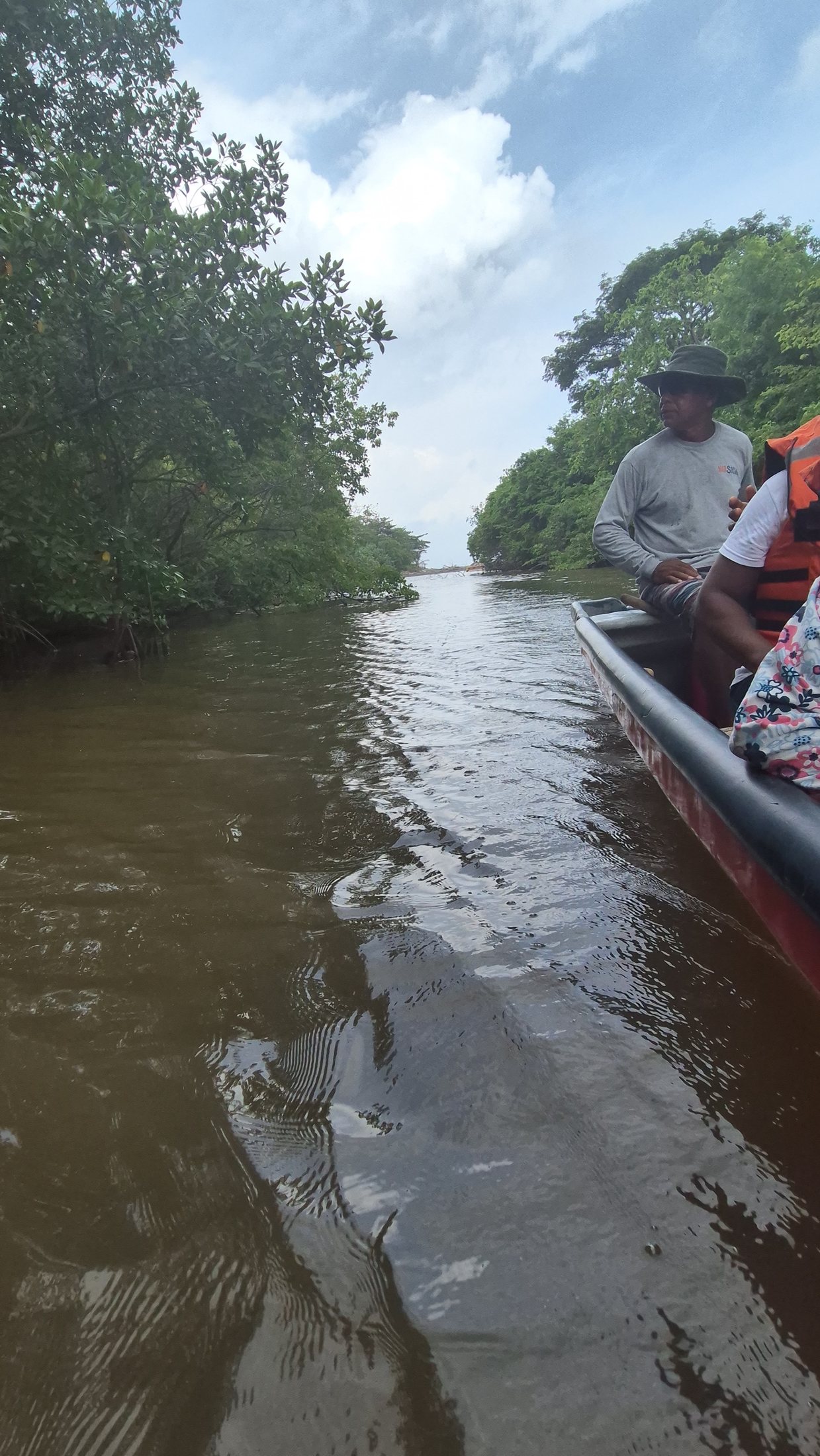
Their roots hold the coast together, shelter the crabs and fish the village lives on, and slow the sea. Cristo Rey has been replanting them, one seedling at a time.

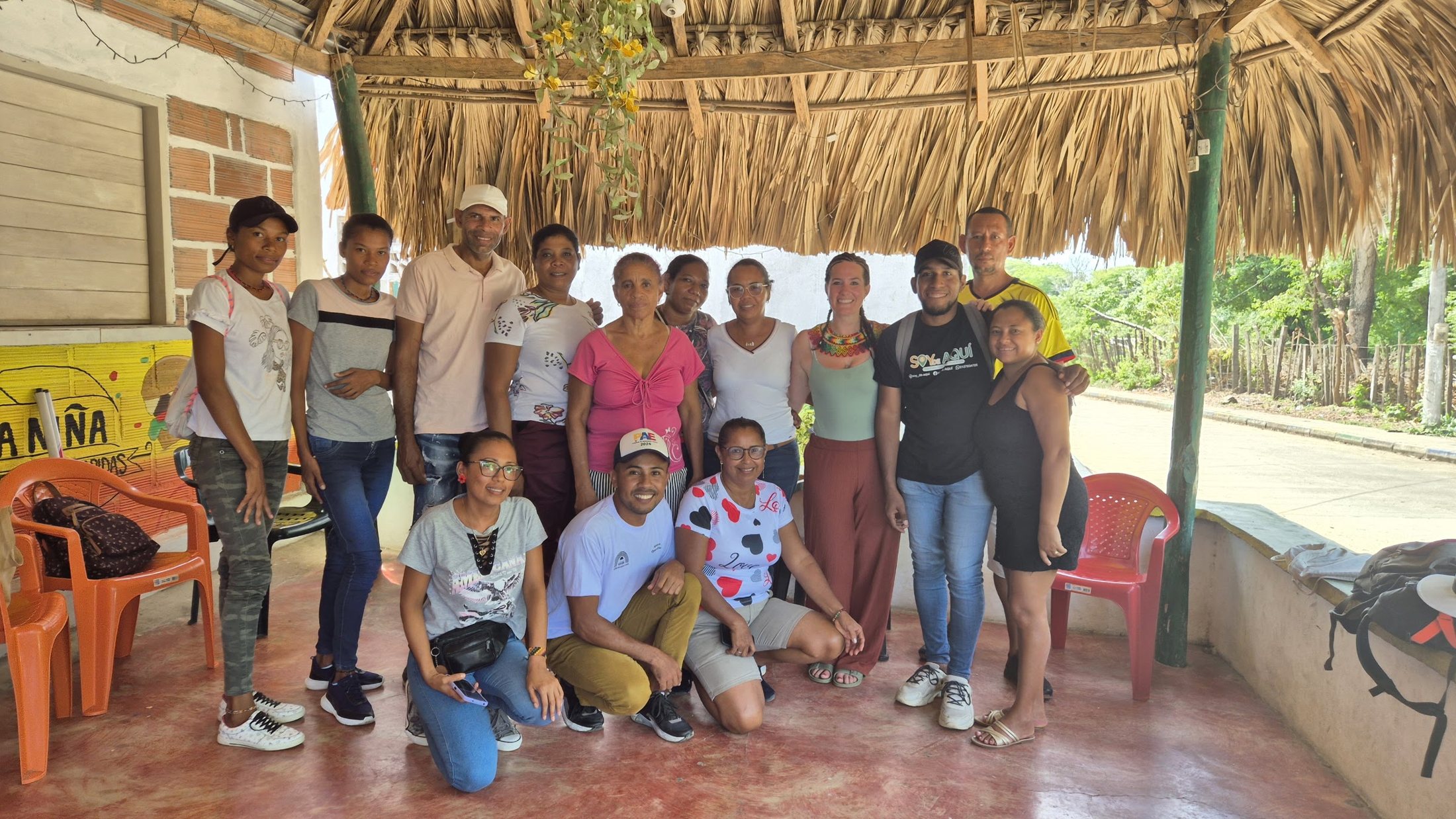
Jesús, Zamira and the community

Meet Jesús, Zamira and the community.

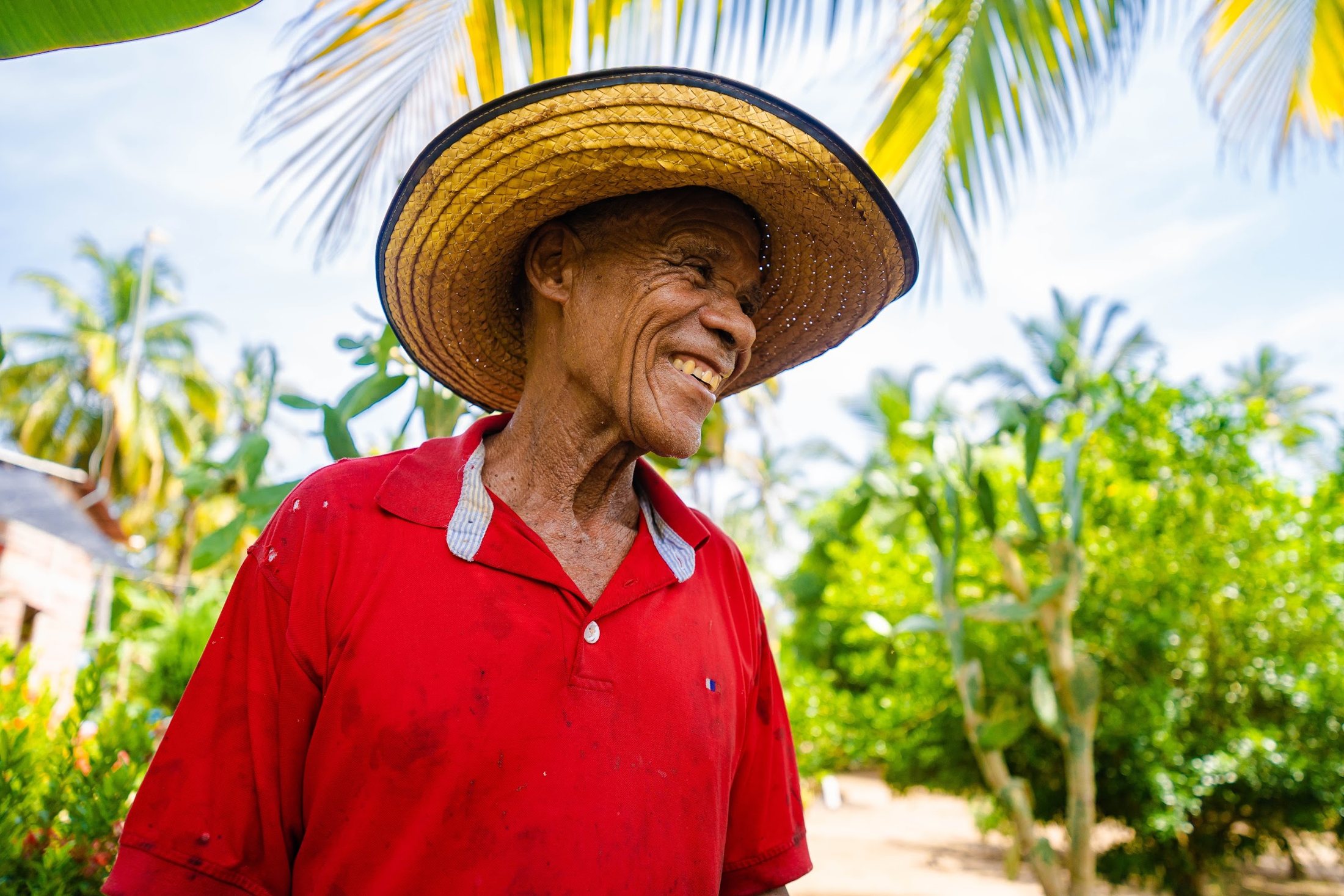
“We don't offer tour packages or trips,” says Jesús Alberto Ávila Mestra. “We offer meaningful experiences.” The coconut farm at Cascajo came to him from his grandparents and his parents; now he leads it, and next year he opens his own tour operator.

Zamira Tous Marsiglia came home too. Now she teaches the children bullerengue with Raíces del Manglar, so it never disappears.

From the palm to the pot.

Coconuts come down from Jesús’s family farm at Cascajo, get husked and grated by hand (there’s a grating contest; the same man wins it year after year, and denies it), and end up in the grandmothers’ bollos.

“These bollos aren’t made by the clock,” they say. “They’re made with ear, nose and heart.”

Their journey so far.

  1. Trained

    Community members train in tourism through Colombia’s national programmes, ready to host.

  2. Replanted

    Around half of the damaged land along the río Yuca basins replanted, mangroves included, to hold back the sea.

  3. 2024

    Elev-Eight comes to stay. The bullerengue nights, the mangroves and the elders are filmed and shared with the world.

Their big vision. A living museum of the coast.

A Museo Vivo de la Memoria: a place where the bullerengue, the stories of the elders and the knowledge of the mangroves are kept, taught and passed on. Around it, youth exchanges, films made by the community itself, and a YUKAFRO craft line.

Every visitor, every film and every piece sold helps keep the culture and the coast alive, for the whole village.

We co-create with Cristo Rey. Ancestral wisdom, modern income.

Your part in their story.

Every way in builds Cristo Rey’s own income.

Come while it's
just beginning.

Cristo Rey is building its own travel business, and you're invited in from the very start. It won't be perfect. It will be real, you'll be safe, and you'll be loved. Canoe through the mangroves, grate a coconut, and dance until the drums stop.

Give a gift that grows.

A Gift of Elevation, like a digital kit of laptop, phone, camera and data, helps Cristo Rey tell its own story and sell to the world.

Follow Cristo Rey.

Bullerengue nights, mangrove mornings and life on the coast, shared by Jesús. Every follow carries Cristo Rey further.